Mark Twain once said “It usually takes me three weeks to prepare a good spontaneous performance.” Twain was also known for writing out his speeches verbatim and keeping it hidden under a stack of papers while he presented at the podium. Unfortunately preparation is not always a luxury. From dreaded cold calls in class, to receiving an accolade only for it to be followed with “speech, speech, speech!” or being blind-sided in a meeting; forced into a production, there are times where one has to spring into action at a moment’s notice. Often times these interactions can be more frequent than and just as important as a formal presentation. You never know when you may have a chance to make a good impression, so being able to think on your feet is a great skill to have.
There are a few recommendations I would like to highlight, some form an article from MindTools: http://www.mindtools.com/pages/article/ThinkingonYourFeet.htm as well as some of my own.
- Relax – If you have a poker face, now is the time to use it. Most people can spot the deer in headlights look fairly easily. Take a moment, ask yourself exactly what is expected of you at this instance, whether it be a spontaneous speech, an off-the-wall interview question, etc. and start coming up with a plan.
- Take your time– It is okay to repeat the question to ensure you completely understand. It is also permissible to buy a little time to construct a plan in your head. Most expect a little thought to go into a spontaneous production. As bad as awkward silence can be, rushing into a performance with little to no plan can lead to a garbled, confusing storyline that neither the audience nor the presenter can follow.
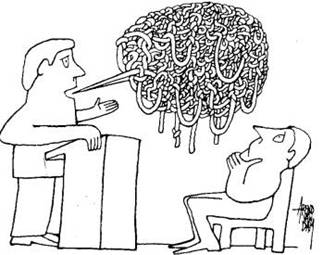
- Stick to one main point or theme, and support it – Much like jumping right in without a plan, trying to hit on too many points at once can lose the audience quickly. There will likely be time for follow-up to tackle remaining details, so ensure the main point is communicated clearly and adequately supported.
- Be confident – Confidence does not happen by chance. It takes time to build up confidence in one’s delivery. Formal presentations, controlled environments like Toastmasters, and other forums that allow you to work on delivery, as well as formulate opinions and articulate them clearly and quickly will be the difference in experiencing dread or experiencing a feeling of opportunity the next time you are called upon suddenly.